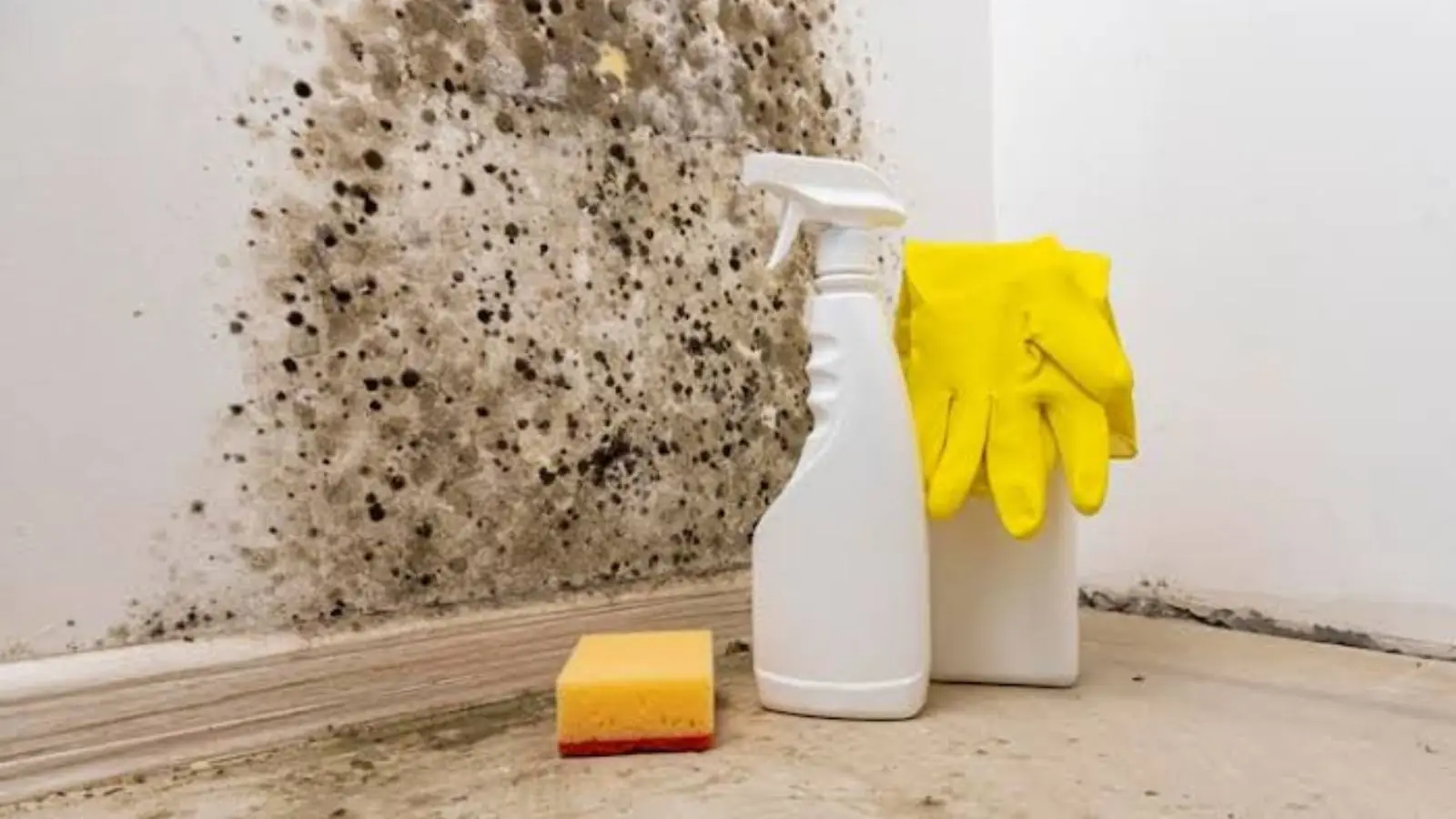
Natural methods can clean small patches of mold on hard, sealed surfaces, but they do not fix the moisture that caused it and they do not remove growth from soft materials. The reliable natural tools are plain detergent and water, thorough drying and better ventilation. Vinegar can help on some hard surfaces, while essential oils and baking soda have less support.
This guide covers what to try, what to skip and when to call a crew. For larger or hidden growth, the mold remediation page explains how trained crews contain and remove it, and the moisture side is under water mitigation.
What Natural Methods Can and Cannot Do
| Method | Works on | Limits |
|---|---|---|
| Detergent and water | Hard, sealed surfaces such as tile and sealed wood | Does not reach into porous materials. |
| White vinegar | Small hard-surface patches | Smell, can damage some stone and finishes, does not fix moisture. |
| Baking soda paste | Light scrubbing on hard surfaces | Mild, limited effect on growth. |
| Sunlight and airflow | Fabrics and items that can go outdoors | Weather dependent, does not help walls. |
| Dehumidifier | Prevents regrowth in damp rooms | Needs steady use and a hygrometer. |
Test any cleaner on a hidden spot first. Never mix vinegar with bleach or other chemicals, since the combination can release harmful gases.
A Simple Process for a Small Patch
Fix the moisture
Repair the leak, improve ventilation or run a dehumidifier. Cleaning without this step is temporary.
Protect yourself
Wear gloves, eye protection and a mask, and keep the room door closed while you work.
Wipe, do not scrub hard
Use a damp cloth with detergent or vinegar. Hard scrubbing and dry brushing spread spores.
Dry completely
Wipe the area dry and run fans or a dehumidifier. Seal used cloths in a bag before disposal.
Check again
Look at the spot after a week. If it returns, the surface is still damp or the growth is deeper than it looked.
Where Natural Methods Fall Short
Drywall, carpet, ceiling tile and insulation absorb moisture and hold growth below the surface. Wiping the top leaves the rest behind, and the patch returns. According to EPA guidance, about ten square feet is a reasonable limit for a homeowner job, and soft materials should be removed and not cleaned.
Growth after sewage or floodwater is a different category, because the water itself carries contamination. That job needs protective gear and removal of affected porous materials.
Safe Handling of Everyday Cleaners
Even gentle products need care. Ventilate the room by opening a window or running a fan that vents outdoors. Wear gloves and eye protection, because splashes of vinegar or detergent can irritate skin and eyes. Keep children and pets out of the room until the surface is dry.
Use one product at a time and rinse between products. Do not store mixed solutions in unlabeled bottles. If a product smells strong in a small room, stop, air the room and switch to plain detergent and water.
Surfaces That Need Extra Caution
- Natural stone such as marble, which acids like vinegar can etch.
- Unsealed wood, which can absorb liquid and swell.
- Painted drywall, where heavy wetting can lift paint and soften the paper.
- Fabric and upholstery, where growth can reach deep into the fill.
- Electrical boxes, outlets and appliances, which should never be sprayed.
When a surface falls on this list and growth is more than a light film, consider calling for guidance instead of experimenting.
A Realistic Expectation for Natural Methods
Natural cleaning is a good fit for a small, early, hard-surface problem in a room where you have already fixed the moisture. It is a poor fit for a recurring patch, a soft surface or a space that stays damp.
If you have cleaned the same spot twice and it came back, treat that as information. The surface or the air is still wet enough to feed growth, and a moisture reading will say more than another round of scrubbing.
When to Call Instead of Cleaning
Call when the patch is larger than about ten square feet, when it sits on drywall, ceiling tile or carpet, when it returns after cleaning or when you smell mold with no visible source. Those are signs the material or the moisture is beyond what a household cleaner can handle.
Call as well if the growth followed sewage or floodwater. That water carries contamination, and cleaning it safely takes protective gear and removal of porous materials.
Choosing Products Without the Hype
Product labels promise a lot. A simple rule helps: if a product claims to kill mold for good without fixing moisture, be skeptical. Mold needs moisture, and no cleaner stops a leak.
Look for plain instructions, ask what the product does on porous surfaces and avoid anything that tells you to paint over growth. Detergent, water and drying handle most small hard-surface jobs, and a dehumidifier does more to prevent regrowth than any spray.
Call the dispatch line. A crew can inspect, explain what must come out and describe the scope before work starts.
Danvers Local Note: Seasonal Humidity and Home Ventilation
Danvers lies on tidal water and the Ipswich River, and the town describes itself as coastal. Summers bring humid air that condenses on cool basement walls, while winters bring warm indoor air that meets cold surfaces under roofs and along exterior walls.
Because Danvers Inspectional Services enforces the Massachusetts State Building Code, ask the office whether ventilation changes such as new bathroom fan ducts or attic work need a permit before you start.
Sources: Town of Danvers resilience site and Danvers Inspectional Services page (municipal sources).
Prevention Beats Cleaning
- Run bathroom fans during and after showers, and vent them outside.
- Keep indoor humidity near 50 percent, and use a hygrometer to check.
- Fix leaks quickly, and dry spills within a day or two.
- Keep gutters clear and downspouts directed away from the foundation.
Homeowners in Topsfield and Salem follow the same advice. Questions about health and mold belong with your physician, and the crew deals with building materials and moisture.
Questions About Natural Mold Removal
Vinegar can clean some small hard-surface patches, but it does not penetrate porous materials and does not fix moisture. If growth returns, the cause is still present.
It is a mild scrub and helps with odor, but it is not a complete answer. Drying and moisture control matter more.
Surface cleaning rarely removes growth within drywall. If drywall is soft, stained through or the patch is large, cutting out the affected section is the usual fix.
No. Never mix cleaners, especially vinegar with bleach. Use one product at a time, with ventilation.