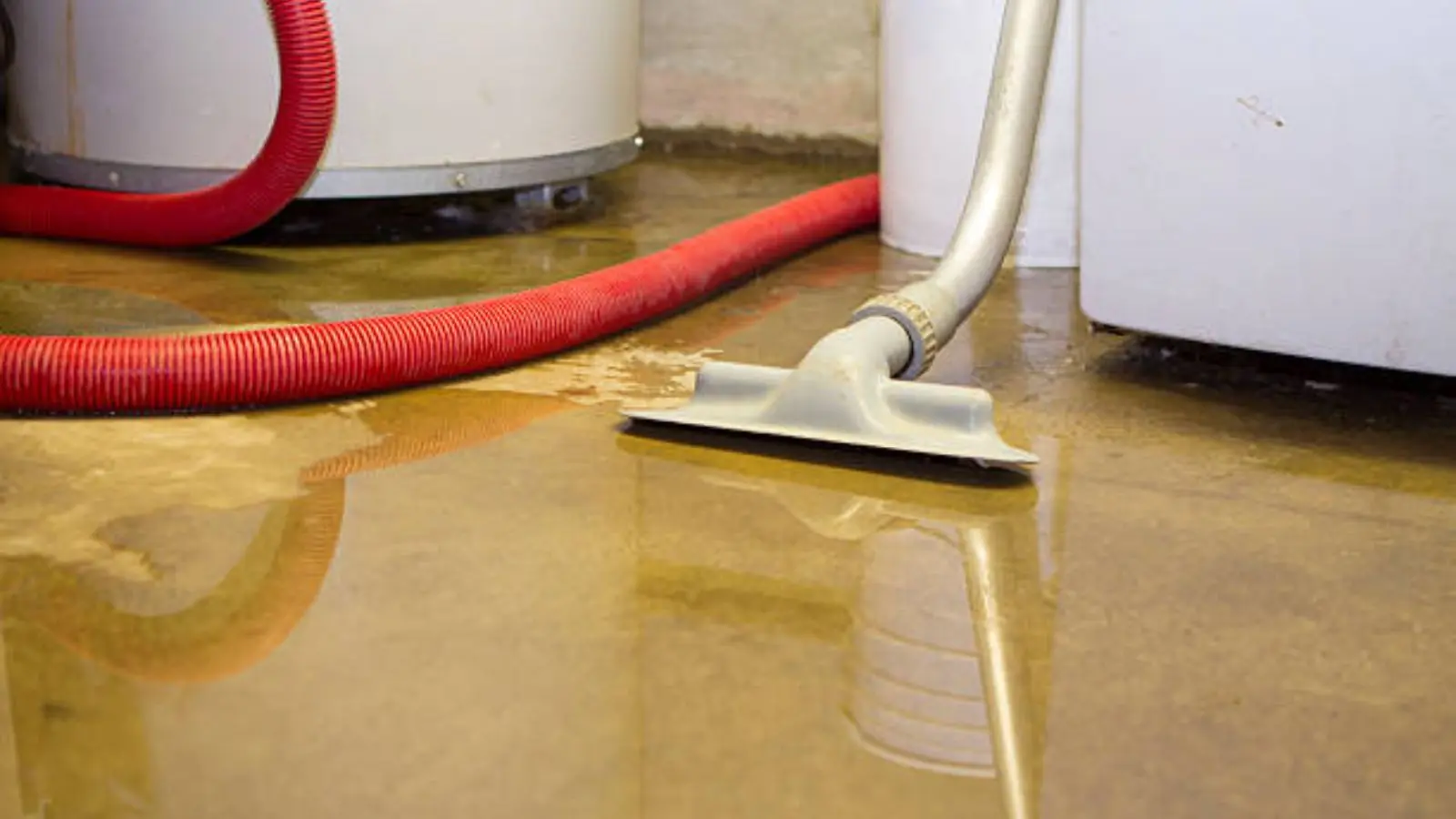
Water damage cleanup in Danvers begins the moment the water stops, and it is urgent because wet debris turns into a bigger problem overnight. The 24/7 line sends a cleanup crew to remove soaked materials, sanitize what stays and clear odors. Until they arrive, take photos of everything, set damaged items aside for your adjuster and keep fans pointed away from sewage or dirty water.
The First 48 Hours After the Water Stops
Forty-eight hours is the working window for most cleanup decisions. Within that time, wet carpet pad turns sour, drywall starts to sag and damp upholstery begins to smell. A same-day crew, when one is available, can often save materials that would be lost after a long wait.
Cleanup is not the same as drying. Cleanup removes and cleans. Drying equipment, covered under water mitigation, removes moisture from what remains. Most jobs run both at once, so the crew can pull a soaked pad while the air movers start on the floor.
| Material | Clean water (Category 1) | Dirty water (Category 2 or 3) |
|---|---|---|
| Carpet and pad | Pad often removed, carpet may be dried and cleaned | Both usually removed. |
| Drywall | Dry in place if caught early | Cut out and replace. |
| Insulation | Fiberglass may dry, cellulose usually removed | Removed. |
| Solid wood furniture | Wipe, dry and inspect | Clean and sanitize or discard. |
| Upholstery and mattresses | Often saved if dried fast | Usually discarded. |
| Tile, concrete, metal | Wash and dry | Wash, disinfect and dry. |
What to Do Before Cleanup Starts
- Stay out of rooms where the water came from a drain, toilet or outdoor source until a crew has assessed them.
- Photograph soaked items before anything is moved or thrown out.
- Wear gloves and boots when handling wet debris, and bag it separately.
- Do not run a household vacuum on water or use heat to speed drying.
Sanitizing and Deodorizing
Sanitizing matters most when the water carried dirt or sewage. ANSI/IICRC S500 sorts water into three categories by contamination level, and the category decides how much is cleaned in place and how much is removed. Crews wash hard surfaces with an antimicrobial cleaner matched to the surface, vacuum with a HEPA filter and wipe studs and joists before any new material goes up.
Odor is handled at the source. Spraying a fragrance over a soaked pad hides the smell for a day. Removing the pad, cleaning the floor beneath it and drying the room is what ends it. If a smell lingers after drying, a second look for hidden moisture usually finds the reason.
Call the 24/7 line and ask for a cleanup crew. After-hours calls are answered the same way as daytime calls.
Saving Belongings and Papers
Contents come second to people and structure, but they carry the most personal value. Hard goods such as glass, metal and sealed plastic wash up well. Books, photographs and paper records are fragile, and freezing wet papers in sealed bags stops damage until a document specialist can dry them.
Pack-out moves contents to a dry space so the crew can work on the room. Ask what is being moved, where it goes and how it is listed, because the same list helps with your insurance inventory.
Shops, Offices and Shared Buildings
Water in a retail unit or office suite, in a place like the Ferncroft office park or a shopping center on Independence Way near the Liberty Tree Mall, follows the same cleanup sequence as a house. The difference is who owns what. Walls, ceilings and the roof often belong to the landlord, while stock and fixtures belong to the tenant.
Ask your landlord and your insurer who handles each part before any demolition starts, and photograph every affected shelf and fixture.
What Moves the Price of Cleanup
What the written scope reflects
- The water category, since sewage cleanup involves more protection and more disposal.
- How many rooms were soaked and how deep the saturation went.
- The volume of debris and the materials that must be hauled away.
- Contents work, such as pack-out or document drying, when you ask for it.
- The sanitizing and odor treatment the surfaces need.
Scope and price are explained before work starts. Households in Beverly and Salem reach the same dispatch line.
Insurance and Cleanup Records
Your insurer will ask what was lost, so keep a written list of removed items with photos taken before disposal. Hold a few samples of discarded material when the adjuster asks to see them. Sudden and accidental water damage is often covered, gradual leaks and neglect often are not, and flood damage needs its own policy.
Ask your insurer what applies to your loss, and save every invoice, including disposal and cleaning supplies.
Questions About Water Damage Cleanup
Yes. The line is open 24 hours a day, every day. A cleanup crew is sent as soon as one is available, and a call after midnight is answered the same way as one at noon.
As soon as the water has stopped. Within about two days, wet pad, drywall and upholstery start to fail and smell, so earlier cleanup saves more material.
Small clean spills on hard floors are manageable. Anything involving carpet pad, wall cavities, sewage or more than a room needs a crew, because hidden moisture and contaminated water are hard to judge without meters and protective gear.
Solid items are wiped, dried and sanitized when the water was clean. Porous items touched by dirty water are often discarded. Your crew explains which is which in the scope.
By removing the wet source, cleaning the surface beneath it and drying the room. Masking the odor with a fragrance does not last.
It depends on the cause and on your policy. Sudden and accidental losses are often covered. Check your declarations page and keep the photos and invoices.