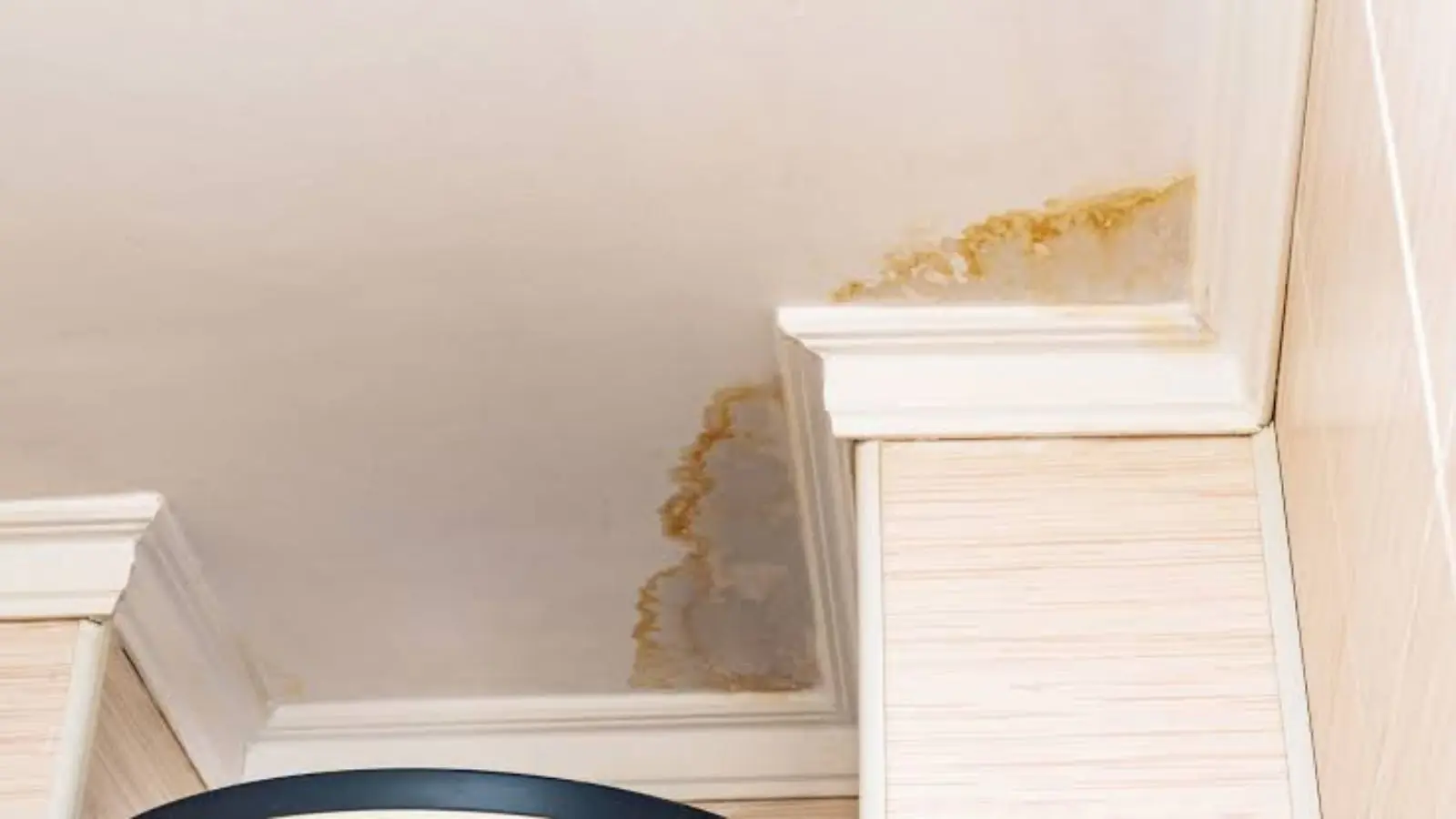
Water damage looks like stains on walls and ceilings, paint that bubbles or peels, floors that cup or buckle, a musty smell and surfaces that feel soft or damp. Some signs show up within hours of a leak, while others take weeks of slow dampness to appear. Knowing the pattern helps you decide how fast to act.
This guide walks through the signs by location and what they usually mean. When a sign points to active water, the next steps are on the water damage cleanup page, and serious wetness is covered under emergency water removal.
Signs by Location
| Where | What you may see | What it often means |
|---|---|---|
| Ceilings | Yellow or brown rings, sagging, bubbling paint | Leak above, roof or plumbing. |
| Walls | Stains, peeling paint, soft drywall, swollen baseboards | Water in the wall cavity or behind finishes. |
| Floors | Cupping, buckling, gaps, warped boards, lifting tile | Moisture from below or a past flood. |
| Basements | White powdery residue, damp smell, rust on metal | Seepage or high humidity. |
| Around fixtures | Discoloration near sinks, tubs and toilets | Slow supply or drain leak. |
| Hidden areas | Musty smell with nothing visible | Moisture inside walls, floors or ceilings. |
Fresh Damage vs Old Damage
Fresh water damage is often dark, wet and spreading. Old damage dries to a ring or a stain with a defined edge, and rings can appear in layers when a leak comes and goes. A new ring around an old one means the source is still active.
Mark the edge of any stain with a pencil and a date. If it grows, something is still wet. If it does not, the damage may be old, but a moisture meter is the only way to be sure.
Look
Check ceilings, walls near plumbing, floors and the basement. Use a flashlight in dark corners and under sinks.
Smell
A persistent musty smell with no visible cause often means hidden moisture.
Touch
Press gently on stained drywall and baseboards. Softness means the material has absorbed water.
Measure
A moisture meter or thermal camera can show wet areas that are not visible. A crew can do this survey.
Signs That Show Up Outside the House
Water damage is not always an interior story. Outside, look for stains or algae on siding below a roofline, gutters that sag or overflow and soil that slopes toward the foundation. Look for cracks in the foundation with white mineral deposits, and for downspouts that dump water close to the wall.
After a heavy rain, walk the perimeter and note any place where water pools. A puddle that lingers next to the foundation tends to show up inside as a damp wall or a stained basement floor.
Smells and Sounds as Clues
- A damp, earthy smell in a closed room points to moisture that has stayed for some time.
- A sewage odor near a drain suggests a backup or a dry trap.
- A faint dripping or hissing inside a wall can signal a pressurized supply line leak.
- A water meter that moves when every fixture is off is a strong sign of a hidden leak.
- A sudden rise in the water bill with no change in habits deserves a closer look.
These clues help you decide how fast to act. When more than one shows up together, call and describe them to the dispatcher.
Documenting What You Find
Take wide photos of each room and close-ups of each sign. Add a short video that walks through the area. Write down the date, where you found it and any recent events such as heavy rain, a plumbing repair or a long period away from home.
These records help a crew plan an inspection and help an insurer see how the damage developed. Photos taken early are worth far more than descriptions written later.
What to Do When You Spot a Sign
Start with safety: if there is water near electrical equipment or a ceiling is sagging, stay out of the area and call. Otherwise, shut off the water to the suspected fixture, photograph the sign and mark the edge of any stain. Check the area again in a day.
According to EPA guidance on moisture and mold, drying wet materials within a day or two can generally prevent mold growth. That is why acting on early signs matters more than waiting to be sure.
A Room-by-Room Walk-Through
Try a ten-minute walk-through twice a year. In the kitchen, look under the sink and behind the dishwasher. In bathrooms, check around the tub, the toilet base and the ceiling below any upstairs fixture. In the laundry area, look at hose connections and the floor under the machine.
In the basement or utility room, look at the base of walls, around the water heater and near the sump pit. Upstairs, check ceilings below the roof for new rings or spots. Writing down the date and what you saw makes a later change easy to spot.
Call the dispatch line and describe it. A crew can inspect and explain the scope before work starts.
Danvers Local Note: Storms, Rivers and Older Houses
Danvers lists flooding, heat and intense storms in its climate resilience plan, and the town describes itself as coastal with many properties in flood zones. Storm-driven roof leaks and basement seepage are the two ways many local homeowners first notice damage.
Older homes in villages like Danvers Center and Tapleyville may also have aging plumbing and roofing, where slow leaks can run for a long time before a stain shows. If you see signs in an older house, ask the crew to check the moisture around the source and not only the visible stain.
Sources: Town of Danvers resilience site and Wikipedia on Danvers villages (municipal and reference sources).
Signs That Mean Act Now
- A ceiling that sags, bulges or drips.
- Standing water or a wet area that spreads.
- Water near electrical outlets, panels or appliances.
- Sewage odor or discolored water from a drain backup.
Signs that are old and stable can wait for a scheduled inspection, but signs that grow need attention. Homeowners in Middleton and Topsfield use the same checks. For a stain on a wall, the rebuild path is described under water damage repair.
Questions About Spotting Water Damage
Mark its edge and date it. A stain that grows, a damp surface and fresh brown edges point to an active source. A dry stain with a stable edge may be old, but a moisture reading confirms.
A musty smell often signals hidden moisture in a wall, floor or crawl space. A moisture survey can locate it without cutting open every surface.
No. Water can travel behind finishes and stay hidden for weeks. Peeling paint, soft baseboards and odors can appear before a stain does.
Not always. A sagging, bulging or dripping ceiling is urgent, while a dry, stable stain can wait for an inspection. If you are unsure, call and describe it.